There is something vagely old-fashioned about the printed museum label: a neat block of text, a date, perhaps a material, and little else. It still does the job. But smaller galleries, local heritage centres and pop-up exhibitions are under pressure to tell fuller stories without covering every wall in text. Space is limited, budgets are tighter still, and visitors now expect a way to dig deeper when something catches their attention.
That is why simple digital tools have become so useful. A label beside a photograph can now point to an oral history clip. A display about a demolished cinema can lead to archive footage. A temporary exhibition can share updated event times without reprinting anything. For curators and volunteers, the appeal is practical, flexibility, clarity and less waste.
In that context, a dynamic QR code generator is not really about novelty. It helps keep interpretation current after the sign has been printed. If a link changes, or an exhibition programme grows, the code can still send people to the right place. For organisations that work season by season, or rely on donated time, that kind of adaptability can make a modest display feel much more thought through.
What visitors actually gain
Used well, these tools do not replace the physical experience, they support it. The best examples are almost invisible.
- More context without overcrowding the room
- Accessibility options such as audio, transcripts or larger text
- Up-to-date information for events, tours and changing exhibits
The key point is that none of this requires a huge institution or a futuristic redesign. Often, the smaller venue, run with care and imagination, gains the most from a smarter label. A printed card on a wall may seem static, but it no longer has to be the end of the story.
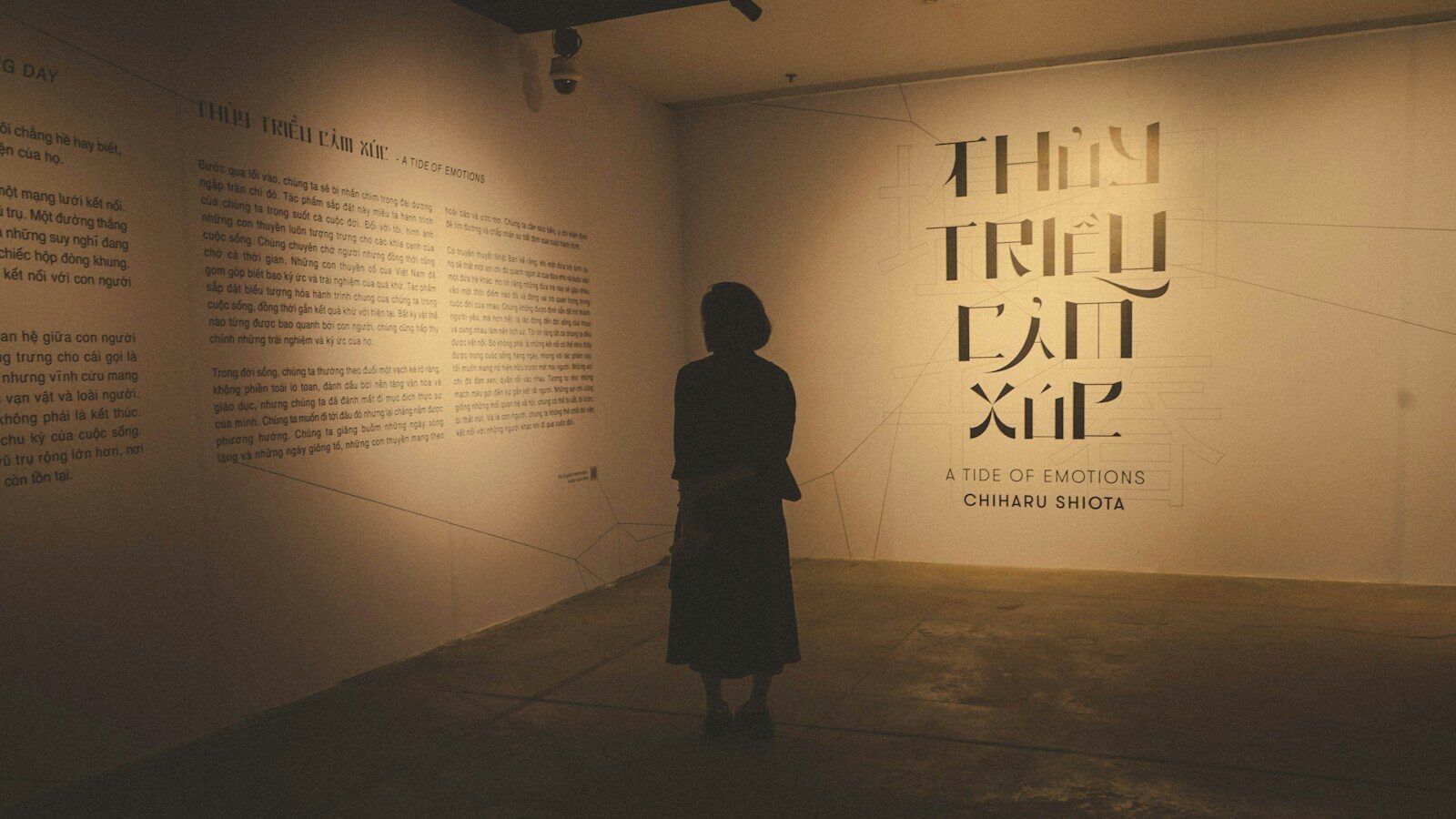
Photo by Nhung Le.